
How to Prep Your Prescott Home for Monsoon Season
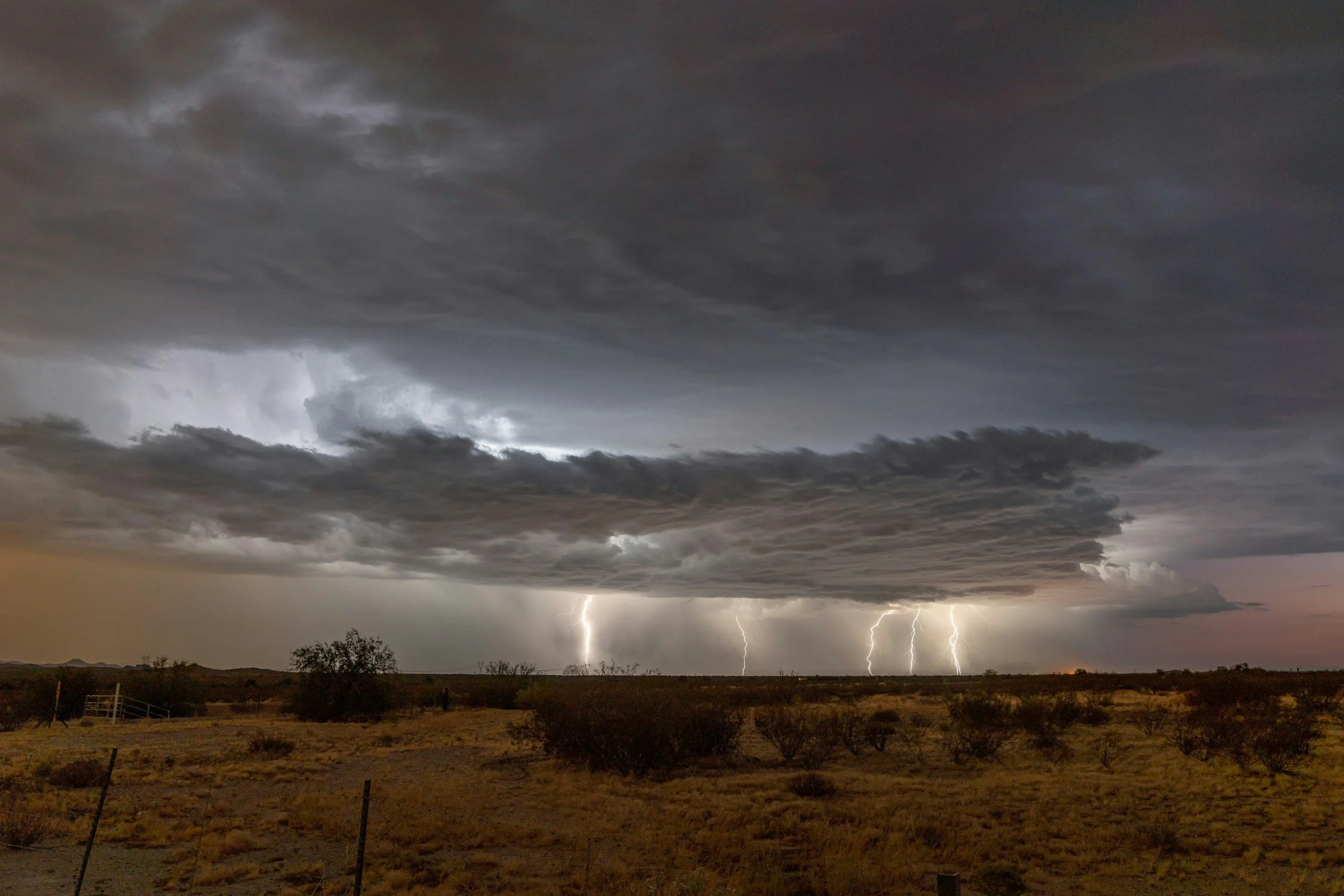
The North American Monsoon typically arrives in the Prescott area around mid-June and runs through mid-September. What it brings: dramatic afternoon thunderstorms, lightning, gusty winds, sudden downpours, and occasionally, hail. It can also bring flash flooding in washes and low-lying areas, and high winds that can take down branches — or whole trees — if they're not in good shape.
Although we have not experienced a big monsoon season the last few years, the National Weather Service has predicted that the majority of the state will have a rainy summer with a 33% to 40% above normal probability of rain.
The good news? A little preparation now goes a long way. Here's what we recommend for Prescott homeowners before the first storms roll in.
1. Inspect and Clean Your Gutters
Clogged gutters are one of the most common causes of water intrusion during monsoon season. Pine needles, debris from spring winds, and accumulated dirt can block gutters and downspouts entirely — causing water to overflow and pool against your foundation or run behind fascia boards.
Clear all gutters and downspouts before mid-June
Make sure downspouts direct water at least 4–6 feet away from your foundation
Consider gutter guards if you're in a heavily treed area — ponderosa pine needle drop is relentless
2. Check Your Roof
Monsoon storms bring intense, short bursts of rain — sometimes an inch or more in under an hour. An already-compromised roof can turn a moderate storm into an expensive problem fast.
Look for missing, cracked, or curling shingles
Inspect flashing around chimneys, skylights, and vents
Check your attic for any signs of existing moisture or staining that might signal a slow leak
If your roof is more than 15 years old, consider having a professional inspection done before storm season

3. Assess Your Trees and Landscaping
This one is especially important in Prescott, where mature ponderosa pines are a beloved part of the landscape. But large trees with weak or dead branches are a liability in high winds.
Walk your property and look for dead or hanging branches — especially any that overhang your roof, fence, or vehicles
Have an arborist assess any trees that look stressed, leaning, or show signs of bark beetle damage
Trim shrubs and brush away from your home's exterior to reduce fire risk and improve drainage
Make sure landscaping slopes away from your foundation, not toward it
4. Prepare for Flash Flooding & Drainage
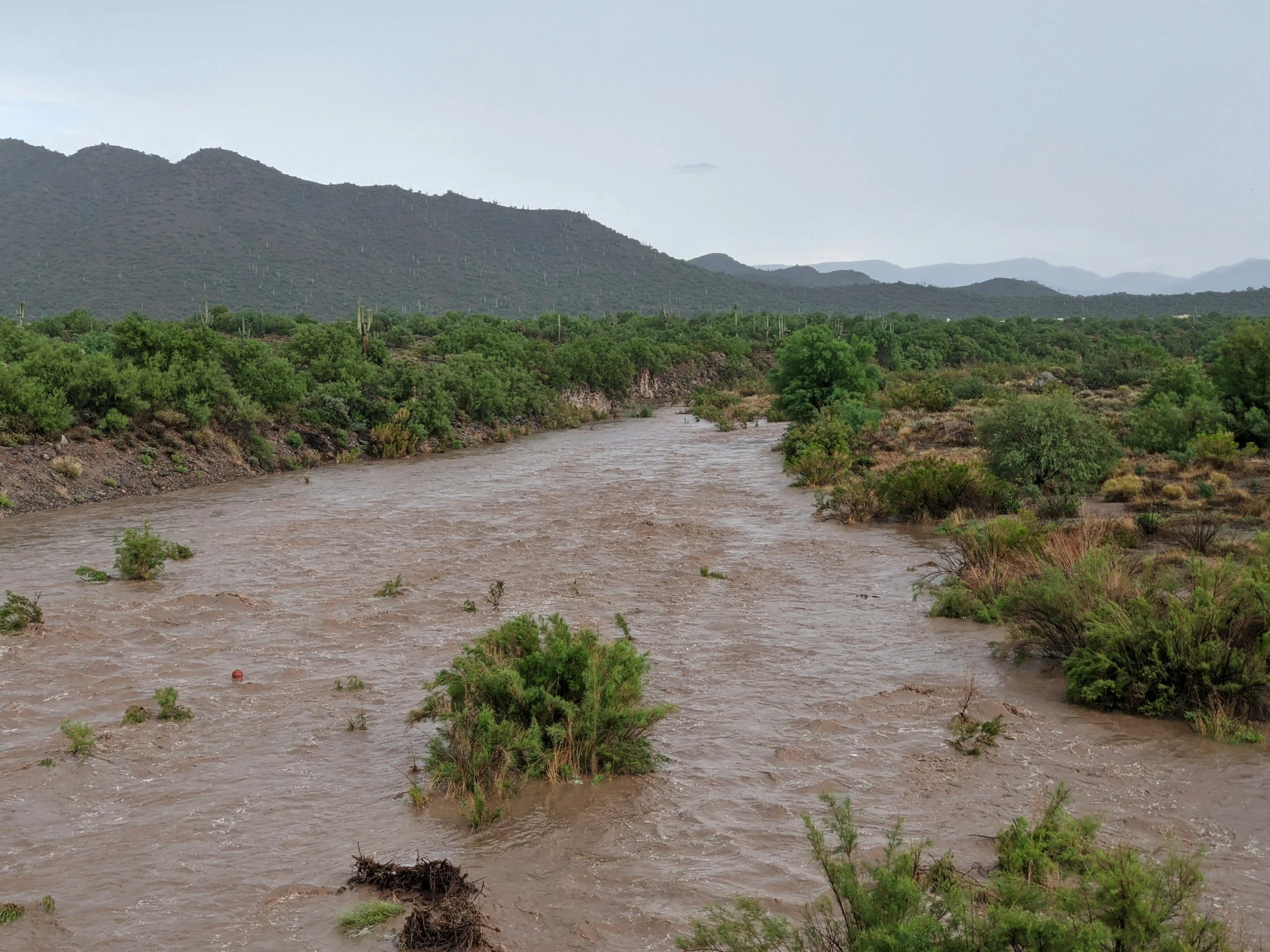
Prescott's terrain, with its granite slopes and hardpan soils, means water moves fast during heavy rains. Even areas that aren't near a creek or wash can see localized flooding during intense storms.
Know whether your property is near a wash or low-lying drainage area
Clear any debris blocking drainage channels or culverts on or adjacent to your property
Consider sandbags if you have a basement entry, downhill garage, or low-lying door threshold
Never attempt to drive through a flooded wash — this is the leading cause of monsoon-related fatalities in Arizona
5. Protect Your Windows and Doors
High winds can send debris into windows and doors, and older weatherstripping can allow driving rain to seep inside.
Inspect window and door seals for cracking or gaps — replace weatherstripping as needed
Make sure window screens are secure and not torn
Consider storm shutters or impact-resistant window film if you're in an exposed location
6. Review Your Insurance Coverage
Before storm season is the right time — not after — to review your homeowner's insurance policy. Key things to check:
Is flood damage covered? Standard homeowner's insurance typically does NOT cover flood damage — that requires a separate flood insurance policy
Are high-wind events and hail covered?
Is your coverage amount still in line with your home's current replacement value? Given appreciation in Prescott over the past few years, many homeowners are underinsured

7. Create a Basic Emergency Kit
This might feel excessive, but Prescott is not immune to power outages during severe storms — especially in more rural areas and outlying communities like Chino Valley, Paulden, and the mountain neighborhoods.
Flashlights and extra batteries
A few days' worth of water and non-perishable food
A portable phone charger or backup battery
Basic first aid supplies
Any prescription medications you'd need if you couldn't leave the house for 24–48 hours
One More Thing: Enjoy It!
Monsoon season gets a cautionary reputation, but longtime Prescott residents will tell you it's also one of the most beautiful times of year. The storms roll in dramatically over the Bradshaws and Mingus Mountain, the air smells incredible after a rain, and the desert turns green practically overnight. Evening thunderstorms become a kind of summer ritual.
Prepare your home, stay weather-aware, and then settle in to enjoy the show.
If you have questions about how monsoon season might affect a home you're considering buying — drainage patterns, roof condition, flood zone status — those are exactly the kinds of things The Middleton Team helps buyers navigate. We've seen a lot of Prescott summers, and we're happy to share what we know.
Ready to Talk? We Know Prescott.
If you're considering downsizing in Prescott, Prescott Valley, Chino Valley, or the surrounding Quad Cities area, Connect with The Middleton Team. We've walked hundreds of local families through this exact transition — from the first overwhelming look at the garage to the keys being handed over.
We'll help you understand your home's current value, talk through timing, connect you with trusted local resources, and build a plan that fits your pace, not someone else's.
Reach out anytime. There's no pressure, and there's no wrong time to start the conversation.

Mike & Darby - Prescott Area Locals & Real Estate Agents at the Middleton Team